

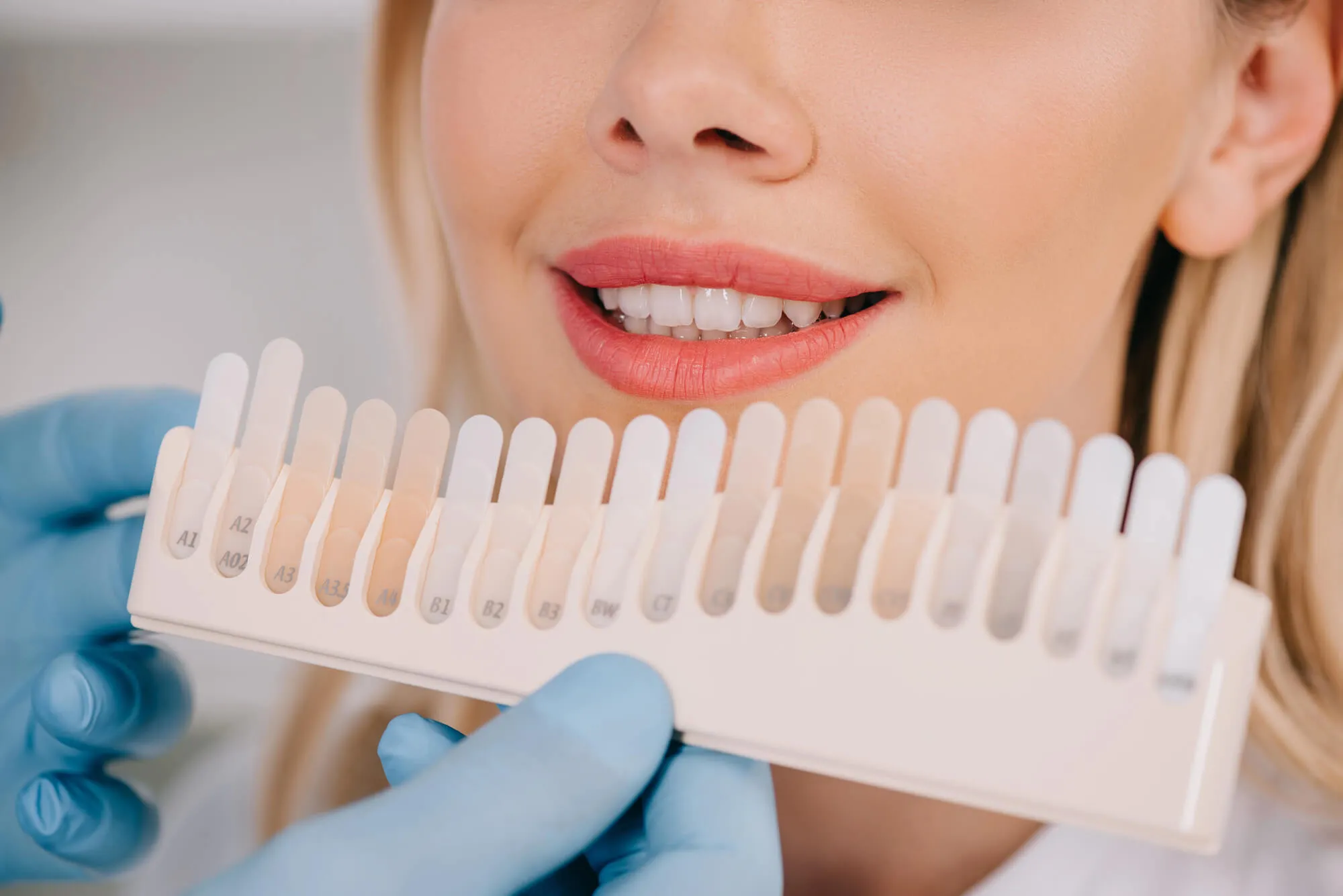
Teeth rarely change color overnight. In most cases, discoloration develops gradually, shaped by everyday habits, natural aging, and subtle changes within the teeth themselves. Many people first notice the shift when their smile looks different in photos or under brighter lighting. That moment often leads to questions about whether cosmetic dental options, such as teeth whitening in Athens, GA, may help. Before any treatment is discussed, it’s important to understand why teeth darken and how dentists evaluate those changes. Cosmetic dentists begin by identifying the underlying causes of discoloration so recommendations are thoughtful and appropriate.
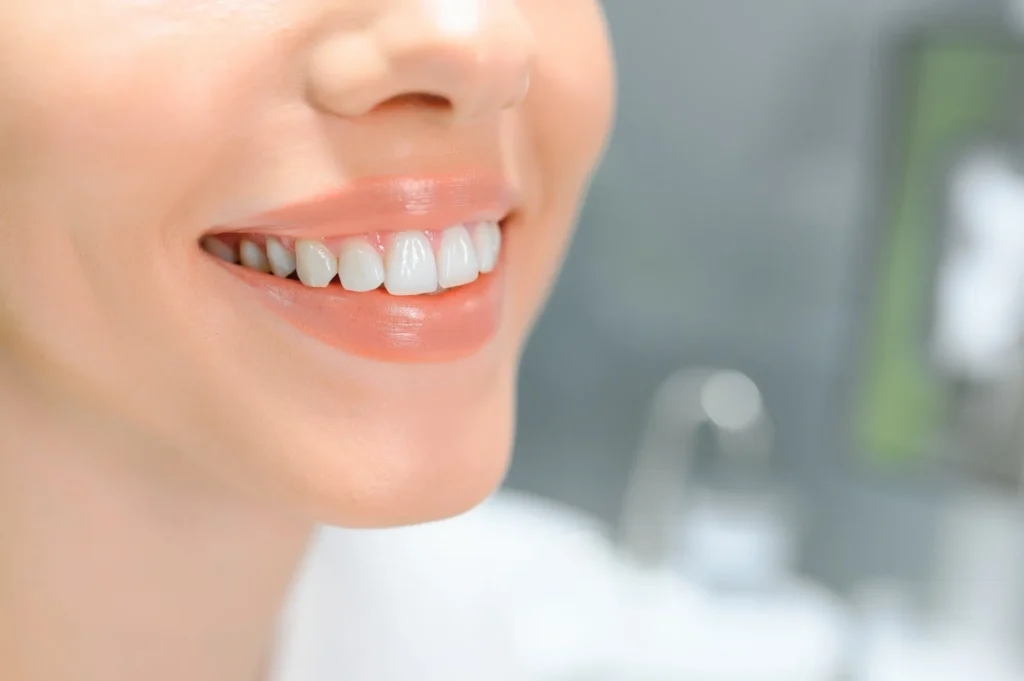
Why Tooth Color Changes Over the Years
Tooth discoloration rarely has a single cause. Dentists often see a combination of surface staining, internal changes, and lifestyle factors that build over time.
Foods and Beverages That Affect Color
Dark-colored foods and drinks are among the most common contributors to surface staining. Coffee, tea, red wine, soda, and certain sauces contain pigments that attach to enamel. Over time, these pigments settle into microscopic pores on the tooth surface, creating a duller appearance.
Acidic drinks can also slightly soften enamel, making it easier for stains to cling.
Tobacco Use
Smoking or using smokeless tobacco exposes teeth to substances that cause deeper staining. These stains often appear yellow or brown and can be harder to lift with brushing alone.
Dentists approach this topic gently, focusing on how professional care may support appearance and comfort.
Natural Aging and Enamel Wear
As people age, enamel gradually becomes thinner from years of chewing and wear. When enamel thins, the dentin beneath becomes more visible. Dentin has a naturally darker tone, which can make teeth appear less bright over time.
This process happens even with consistent oral care.
Internal Tooth Changes
Some discoloration originates inside the tooth rather than on the surface. Past trauma, certain medications, or changes in tooth structure can alter color from within. These changes often appear gray or dark and do not respond to brushing.
Dentists use exams and imaging to identify whether discoloration is surface-based or internal.
Dental Restorations
Crowns, fillings, and bonding materials do not change color the way natural enamel does. Over time, surrounding teeth may darken while restorations remain the same shade, creating contrast.
Patients often notice this difference years after dental work was completed.
Oral Hygiene and Buildup
Daily brushing and flossing help limit staining, but plaque can still build up in hard-to-reach areas. This buildup traps pigments from food and drinks, contributing to discoloration.
Professional cleanings help remove this buildup and reveal the natural tooth surface underneath.
Medications, Health Factors, and Genetics
Certain medications can affect tooth color, either during development or later in life. Dry mouth, which may result from medications or health conditions, can also contribute to staining by reducing saliva’s cleansing effect.
Genetics also influence enamel thickness and natural tooth shade, which explains why discoloration varies from person to person.

What Dentists Look at Before Recommending Treatment
Once discoloration is noticed, dentists begin by evaluating the teeth rather than jumping straight to cosmetic options. This step helps determine what approach makes sense.
Dentists review:
- The type of discoloration present
- Enamel condition and sensitivity history
- Existing dental work
- Overall oral health
This evaluation helps frame honest recommendations and avoids assumptions.
Why Professional Cleaning Is Often the First Step
Before discussing teeth whitening, dentists often recommend a professional cleaning. This step removes plaque and tartar that brushing and flossing at home may not fully address. Buildup on the tooth surface can mask natural tooth color and limit the effectiveness of whitening agents, which is why starting with a clean foundation matters.
For some patients, a cleaning alone brings noticeable improvement by lifting surface stains and restoring a fresher appearance. For others, cleaning prepares the teeth so whitening can be approached more predictably and comfortably. It also allows dentists to assess enamel condition, stain patterns, and overall oral health more accurately.
By beginning with a cleaning, dentists can set clearer expectations and guide the conversation toward options that make sense for each patient’s smile.
When Teeth Whitening Becomes Part of the Discussion
After cleaning and evaluation, dentists may discuss whitening if it appears appropriate. Teeth whitening is often considered because it addresses many common causes of discoloration, especially surface stains and age-related darkening.
It is also one of the more accessible cosmetic options, as it does not alter tooth structure.
How Professional Teeth Whitening Works
Professional teeth whitening uses carefully controlled whitening agents designed to lift stains from the enamel while supporting comfort. Depending on individual needs, whitening may be performed in the office or with custom trays for at-home use.
These trays are shaped to fit the teeth closely, providing even coverage and reducing gum contact. Protective measures are used to support gum health, and dentists monitor how teeth respond throughout the process. Timing and strength may be adjusted as needed, helping whitening feel more predictable and comfortable for each patient.
Benefits of Professional Whitening
Professional whitening offers several advantages:
- Personalized planning based on enamel and sensitivity
- Even an application using custom-fit systems
- Guidance throughout the process
- Clear explanations about expected changes
This support helps patients feel comfortable and informed rather than uncertain.
Setting Realistic Expectations
Dentists explain that whitening works best for certain types of discoloration. Surface stains often respond well, while internal discoloration or existing restorations may not change.
These conversations help patients decide what feels appropriate without pressure.
How Dentists Help Patients Decide What Makes Sense
Teeth whitening is never discussed in isolation. Dentists consider how it fits into long-term oral health, existing dental work, and personal goals.
Patients are encouraged to ask questions and take time to decide. This collaborative approach reflects a commitment to honest recommendations and comfort-forward care.
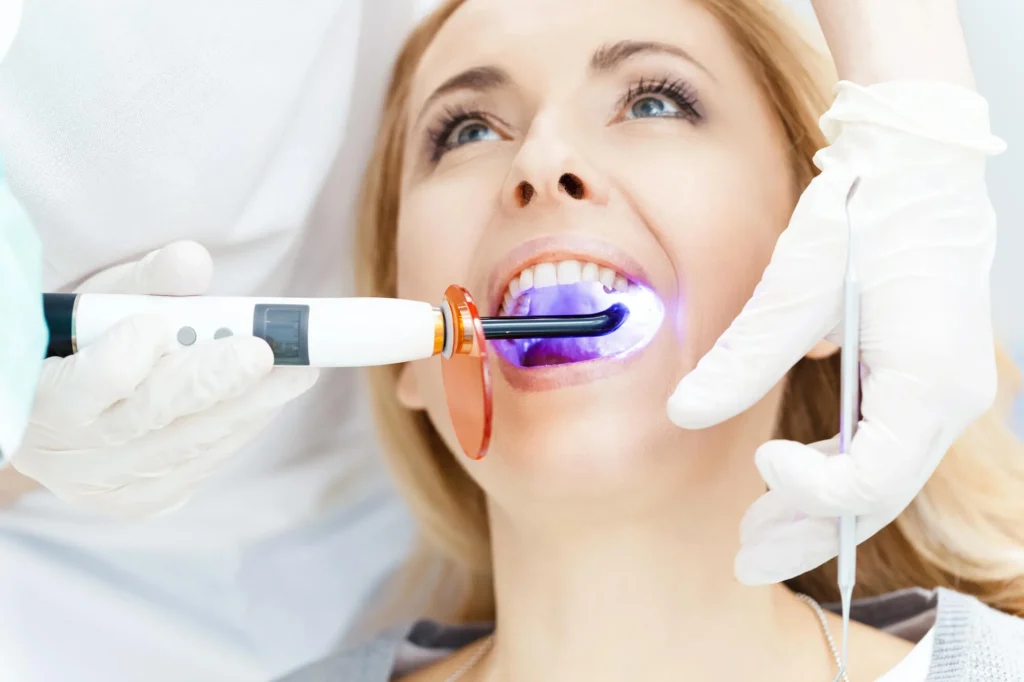
Interested in Teeth Whitening in Athens, GA?
If your smile looks darker than it used to and you’re curious whether whitening may be appropriate, Athens Dental Design is here to help. Our team focuses on working one-on-one, offering honest recommendations, and creating a comfortable environment for patients of all ages.
Schedule a consultation to learn whether you may qualify for a teeth whitening procedure and talk through options that align with your comfort, goals, and lifestyle.


