

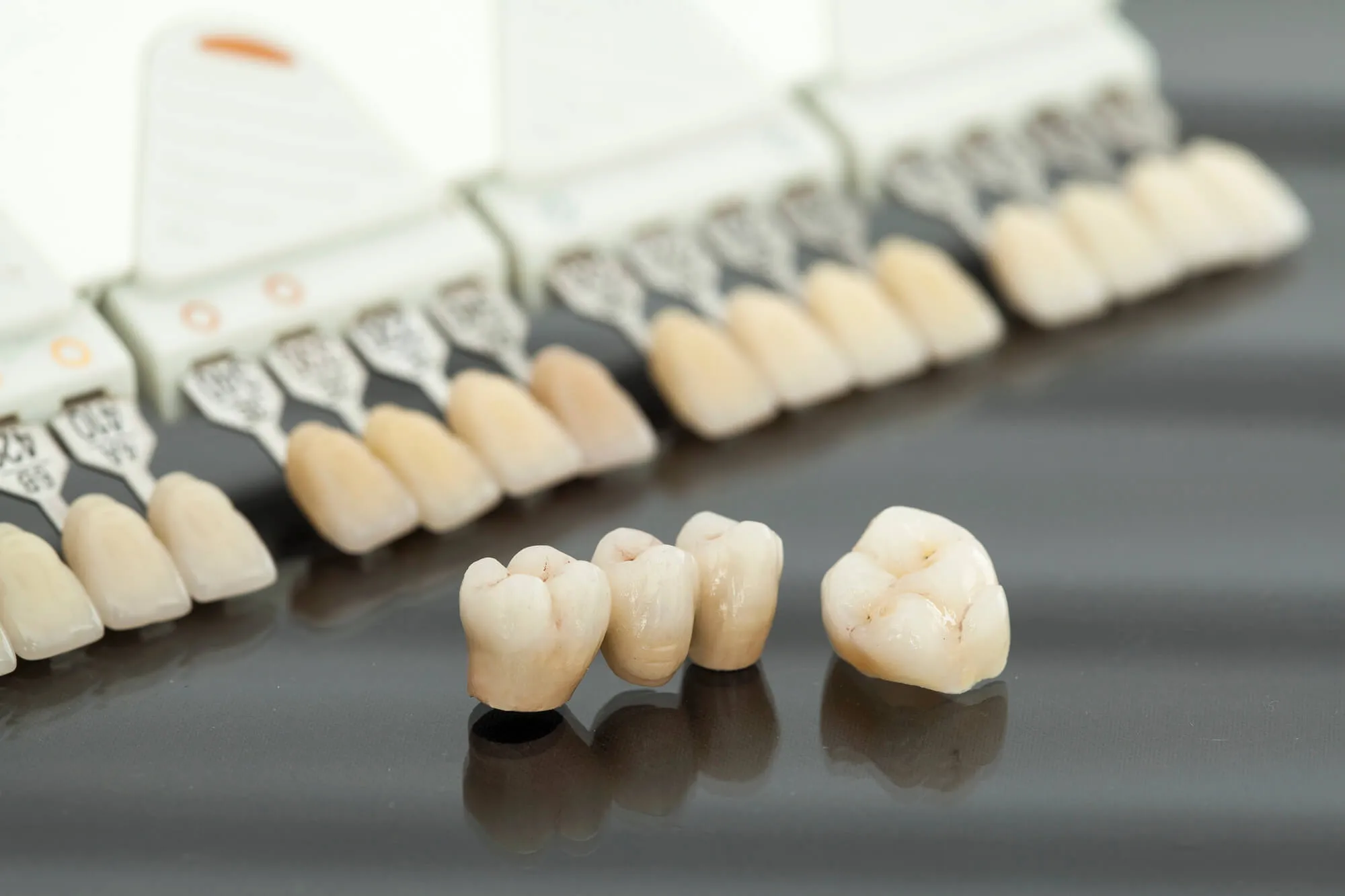
A tooth that cracks while chewing or feels weaker than it once did can bring up a long list of questions. Will it break further? Is there a way to protect it without removing it? How long does treatment take, and will it feel comfortable? These concerns often come up in conversations about dental crowns in Athens, especially for adults and parents who want honest answers and care that feels thoughtful rather than rushed. Knowing what crowns are—and what dentists look for first—can make the process feel far less uncertain.
Questions Patients Ask About Dental Crowns
Dental crowns are a common restorative option, yet they can feel unfamiliar until they are recommended. Patients often ask practical questions about comfort, timing, and long-term care before deciding how to proceed.
What Is a Dental Crown?
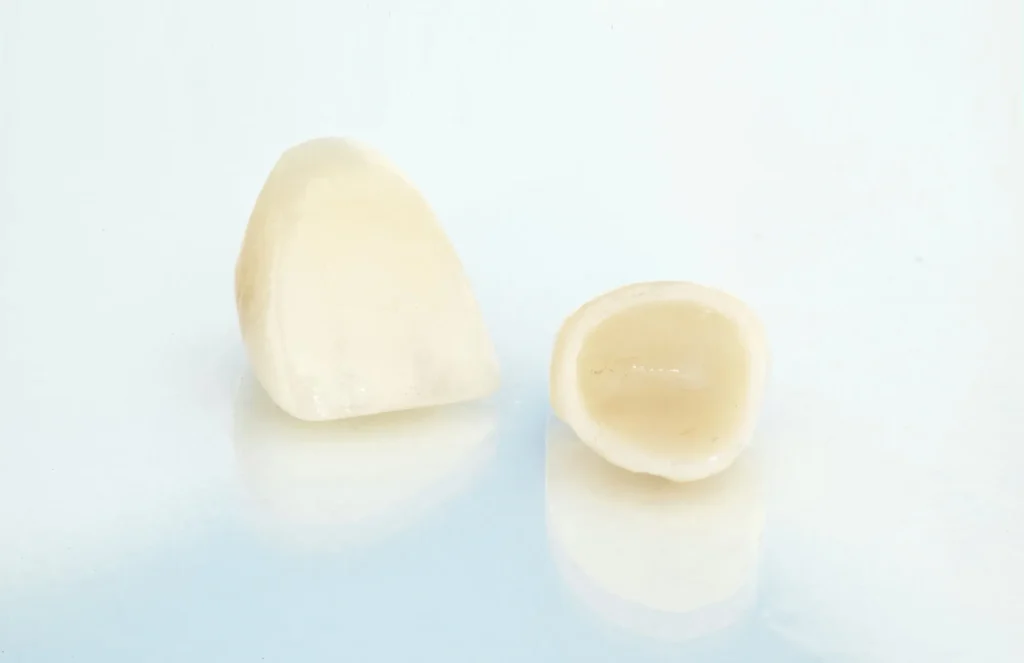
A dental crown is a custom restoration that fits over a damaged or weakened tooth. It restores strength, shape, and function while protecting the remaining structure underneath. Crowns are often recommended after a large filling, a crack, root canal therapy, or years of wear from grinding.
Dentists choose crowns when a tooth needs more support than a filling can provide. The goal is to keep the natural tooth stable and comfortable during everyday use while helping patients chew and speak with confidence.
Why Would a Dentist Recommend a Crown?
Dentists recommend crowns when a tooth has lost enough strength that it may no longer stay stable during normal chewing. Crowns help protect the remaining structure while restoring function and comfort. Common situations include:
• Cracked or fractured teeth
• Large areas of decay or older fillings that no longer support the tooth
• Teeth weakened after root canal treatment
• Severe wear from clenching or grinding
Before suggesting a crown, dentists evaluate how the tooth fits into the bite, how much structure remains, and whether other options are appropriate. This careful planning helps crowns feel comfortable, function naturally, and support long-term oral health.
Do Dental Crowns Hurt?
This question comes up often. During crown preparation, dentists use a local anesthetic to keep the area comfortable. Patients may feel pressure but not sharp discomfort. After the appointment, mild sensitivity can occur for a short time, especially with hot or cold foods.
Dentists review aftercare instructions, recommend gentle brushing, and encourage patients to call with concerns. This open communication helps patients feel supported throughout the healing process.
How Long Does Getting a Crown Take?
Timing depends on the type of crown and the condition of the tooth. Traditional crowns usually involve two visits: one to prepare the tooth and take impressions, and another to place the final crown.
Some practices offer same-day crowns using digital technology. In these cases, the crown is designed and fabricated in a single visit. Dentists explain which option fits best based on tooth structure, bite pressure, and long-term stability.
What Are Crowns Made Of?
Crowns can be made from porcelain, ceramic, metal alloys, or combinations of materials. Tooth-colored crowns are often used for visible areas, while stronger materials may be recommended for back teeth that handle more force.
Dentists choose materials based on:
• Tooth location
• Bite strength
• Cosmetic preferences
• Overall oral health
These conversations help crowns look natural and feel comfortable.
Will a Crown Look Natural?
Yes, crowns are designed to match surrounding teeth in shape and shade. Digital imaging and detailed measurements guide this process. Dentists often compare shades under natural light and discuss preferences before placement.
The goal is balance, not perfection. A well-designed crown should feel like part of the smile, not something separate.
How Long Do Dental Crowns Last?
Crowns can last many years with good care. Longevity depends on oral hygiene, bite habits, and regular dental visits. Grinding or clenching can place extra pressure on crowns, so night guards may be recommended.
Dentists monitor crowns during routine exams, checking margins, gum health, and bite alignment. Small adjustments can help crowns stay comfortable longer.
How Should a Tooth with a Crown Be Cared For?
Crowns need the same daily care as natural teeth. Dentists recommend:
• Brushing twice daily with fluoride toothpaste
• Flossing gently around the gumline
• Attending regular cleanings and exams
• Avoiding chewing ice, pens, or very hard foods
Good habits help protect both the crown and surrounding teeth.
What Happens Before a Crown Is Recommended?
Dentists carefully evaluate the tooth before suggesting a crown. This includes X-rays, bite analysis, and discussion of symptoms. In some cases, a filling or bonding may be enough.
Patients are encouraged to ask questions, review images, and talk about goals. Honest recommendations help patients feel confident in their care plan.

How Do Same-Day Crowns Work?
Some practices use digital scanning and chairside milling systems to fabricate crowns in a single visit. Digital scans replace traditional impression trays, and the crown is designed with software that considers bite alignment and shape.
Same-day crowns can reduce the time between appointments while still allowing careful adjustments. Dentists review whether this approach fits in each situation.
Are Dental Crowns Part of Cosmetic Care?
Crowns can improve appearance and strength. They may restore worn teeth, correct uneven shapes, or improve color balance when whitening or bonding are not appropriate.
Dentists discuss cosmetic goals alongside functional needs. This helps crowns support both comfort and confidence without unnecessary procedures.
How Dentists Help Patients Feel Comfortable
Restorative care can feel unfamiliar, especially for patients who have delayed treatment. Dentists focus on clear explanations, gentle pacing, and a calm environment. Breaks are offered when needed, and every step is explained beforehand.
This approach helps patients feel heard and respected. Over time, that comfort builds trust and consistency in dental care.
Small Signs That a Crown May Be Needed
Sometimes the signs are subtle. Patients may notice:
• Sensitivity when biting
• A tooth that feels uneven
• Visible cracks or dark lines
• Food catching around a filling
These changes do not always require a crown, yet they are worth checking. Early evaluation allows dentists to discuss options before discomfort increases.

Ready to Talk About Dental Crowns in Athens?
If a tooth feels weak, cracked, or uncomfortable, a caring conversation can bring clarity. The team at Athens Dental Design focuses on one-on-one care, honest recommendations, and a comfortable environment for patients of all ages. Schedule a visit to talk through your concerns and learn whether dental crowns may help support comfort, strength, and long-term oral health for you and your family.


