

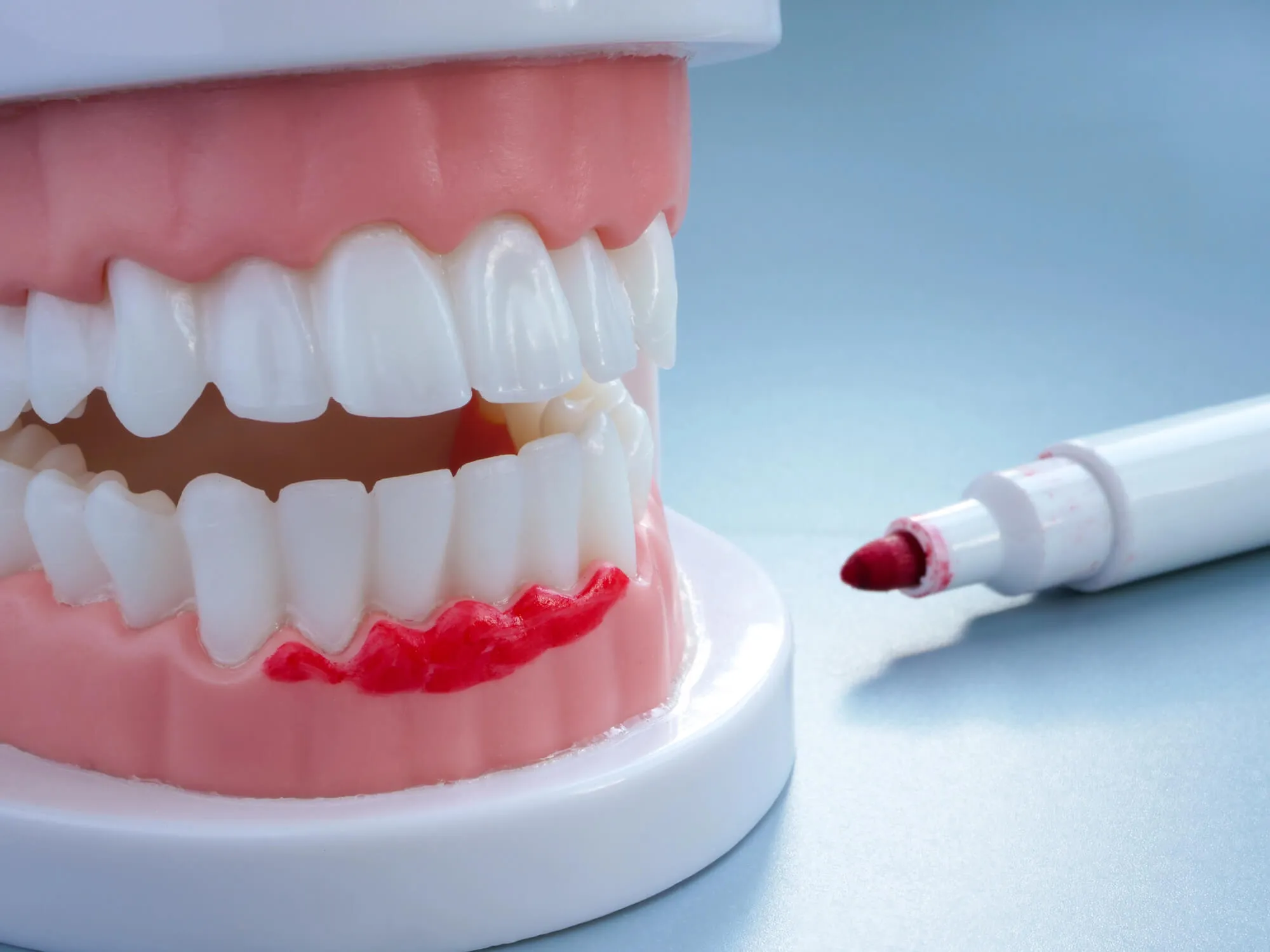
Seeing blood while brushing or flossing is easy to overlook at first, especially when there is little discomfort involved. What begins as occasional spotting in the sink may gradually become more frequent, sometimes alongside swelling, tenderness, or sensitivity near the gums. Because these changes often develop slowly, it can be difficult to tell whether the cause is mild irritation or something that needs professional attention. Concerns like these often bring patients to dentists in Watkinsville, GA, where gum health is evaluated with a preventive, personalized approach. Understanding what may cause bleeding gums can help patients recognize when it’s time to schedule a dental visit.

What Bleeding Gums May Be Trying to Tell You
Bleeding gums can develop for several reasons, ranging from temporary irritation to early signs of gum disease. Dentists examine how often bleeding occurs, whether other symptoms are present, and how the gums respond during an exam. Understanding these patterns helps determine whether the issue can improve with changes in daily care or whether more involved treatment may be recommended.
Irritation From Brushing or Flossing
Gums sometimes bleed when brushing techniques are too aggressive or when flossing resumes after a long break. The tissue may be sensitive at first, especially if plaque has built up near the gumline.
This type of bleeding often improves once the gums adjust to a steady oral hygiene routine. Dentists may recommend softer brushing techniques, gentler flossing, or alternative oral care tools that reduce irritation while still cleaning effectively.
Plaque and Tartar Buildup
Plaque contains bacteria that can irritate the gums when it remains along the gumline for long periods. Over time, plaque hardens into tartar, which cannot be removed through brushing alone.
As inflammation develops, the gums may appear:
- Red or swollen
- Tender during brushing
- More likely to bleed during flossing
Professional cleanings help remove buildup in hard-to-reach areas at home and allow the gums to recover more comfortably.
Gingivitis and Early Gum Disease
Bleeding gums are often associated with gingivitis, which is the earliest stage of gum disease. At this stage, the gums become inflamed because of bacterial buildup around the teeth.
Patients may notice:
- Bleeding during brushing or flossing
- Persistent bad breath
- Puffy gum tissue
- Mild tenderness near the gums
With professional care and consistent oral hygiene, gingivitis can often improve before more advanced damage develops.
When Gum Disease Becomes More Advanced
As gum disease progresses, inflammation may begin affecting the deeper tissues and bone that support the teeth. Bleeding may become more frequent, and other symptoms can appear gradually over time.
Patients sometimes notice:
- Gum recession
- Loose teeth
- Increased sensitivity
- Pain while chewing
- Changes in bite alignment
Dentists evaluate these symptoms carefully to determine whether periodontal treatment may help support gum health and tooth stability.
Could Bleeding Gums Be an Emergency?
Not every case of bleeding gums is considered a dental emergency. Mild irritation may improve with consistent brushing, flossing, and professional cleaning. Still, certain symptoms should be evaluated more promptly.
Dentists may recommend quicker evaluation if bleeding is:
- Heavy or difficult to stop
- Accompanied by severe swelling or pain
- Linked to trauma or injury
- Paired with loose teeth or pus near the gums
- Connected to fever or facial swelling
These symptoms may indicate an infection or more advanced gum disease that may benefit from timely care.
Why Gum Disease Can Progress Quietly
One reason gum disease is commonly overlooked is that discomfort may remain minimal in the early stages. Bleeding can happen long before pain develops, making it easier to assume the problem is minor.
Routine dental visits help dentists identify inflammation before it spreads to deeper tissues. Early evaluation often allows for more conservative treatment and clearer long-term planning.
How Dentists Evaluate Bleeding Gums
During an exam, dentists assess the gums, surrounding tissues, and bone support around the teeth. Measurements around the gumline help determine whether pockets are deepening, while X-rays may reveal changes that are not visible during a visual exam.
Dentists may also ask about:
- Oral hygiene habits
- Tobacco use
- Medications
- Health history
- Changes in bleeding frequency
This information helps create a clearer picture of what may be contributing to the bleeding.
How Scaling and Root Planing Help
If gum disease is present, dentists may recommend scaling and root planing to help reduce inflammation beneath the gumline. This treatment removes plaque and tartar from around the tooth roots while smoothing those surfaces so the gums can heal more effectively.
Scaling and root planing is often completed in sections of the mouth to help maintain comfort throughout the process. Dentists explain each step clearly and provide guidance on caring for the gums afterward. Patients may notice that swelling and bleeding gradually improve as healing progresses and daily oral hygiene becomes easier to maintain.
Daily Habits That Support Healthier Gums
Consistent home care helps reduce irritation and supports healthier gum tissue over time. Dentists often recommend simple habits that can be maintained comfortably each day:
- Brush twice daily using a soft-bristled toothbrush
- Keep regular professional cleanings and exams
- Drink enough water throughout the day
- Pay attention to changes in gum color, swelling, or bleeding
These habits help reduce plaque buildup and support healthier gums between dental visits.
Why Preventive Dental Visits Matter
Bleeding gums may seem minor at first, especially if the bleeding only happens occasionally. Yet gum inflammation often develops gradually, which makes regular dental visits important for identifying changes early.
Routine exams allow dentists to monitor the gums over time and compare changes from one visit to the next. Professional cleanings also remove tartar buildup that brushing alone cannot eliminate. This preventive approach helps support long-term gum health while allowing patients to address concerns before they become more advanced.
Patients often feel more comfortable discussing symptoms during regular visits because they become familiar with the dental team and the care process itself.
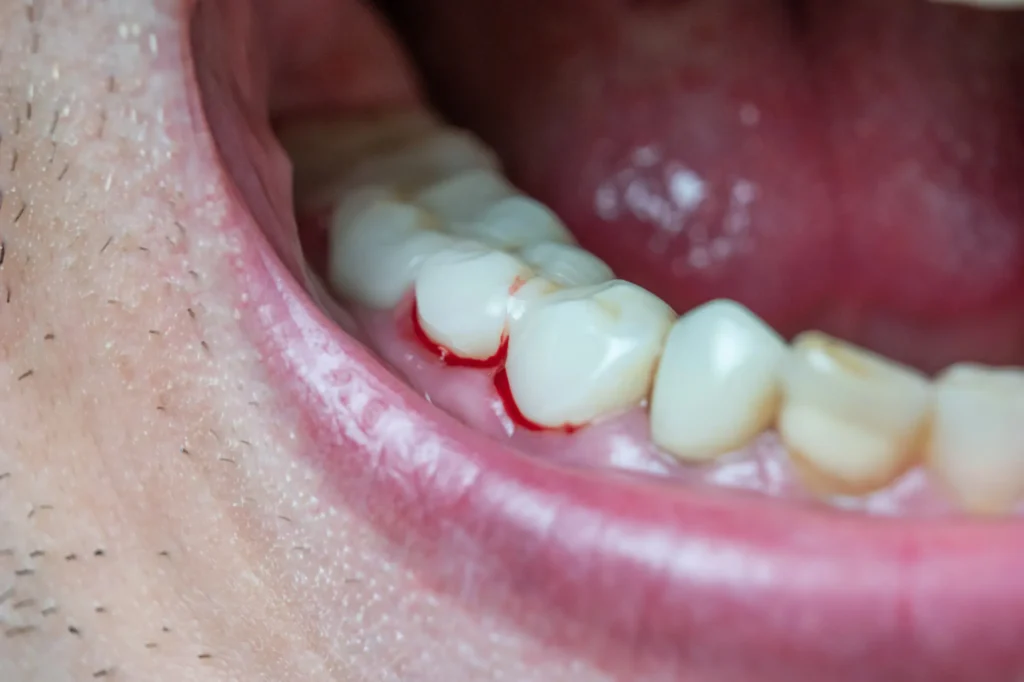
Wondering if Bleeding Gums Mean It’s Time to See Dentists in Watkinsville, GA?
Bleeding gums are not always considered a dental emergency, though they should not be ignored either. Early evaluation can help determine whether the cause is temporary irritation, gingivitis, or a more advanced periodontal concern that may benefit from treatment.
At Athens Dental Design, patients receive thoughtful care in a welcoming environment where questions are encouraged, and recommendations are explained clearly. If you have noticed bleeding while brushing, gum tenderness, or changes in your oral health, schedule a visit with our trusted dentists to discuss what may be contributing to these symptoms and what steps may help support healthier gums moving forward.


