

A missing tooth can affect daily life in ways that are easy to overlook at first. Chewing may feel less comfortable, certain words may sound different, and nearby teeth can gradually begin shifting into the empty space. Many people wonder what options are available, how treatment works, and what costs may be involved. These questions often lead to discussions about a dental bridge in Athens, particularly for patients looking for a reliable way to restore function and appearance. Knowing how dental bridges work can make the process feel more straightforward and help patients feel more confident about their next steps.
Understanding Dental Bridges and What They Are Designed to Do
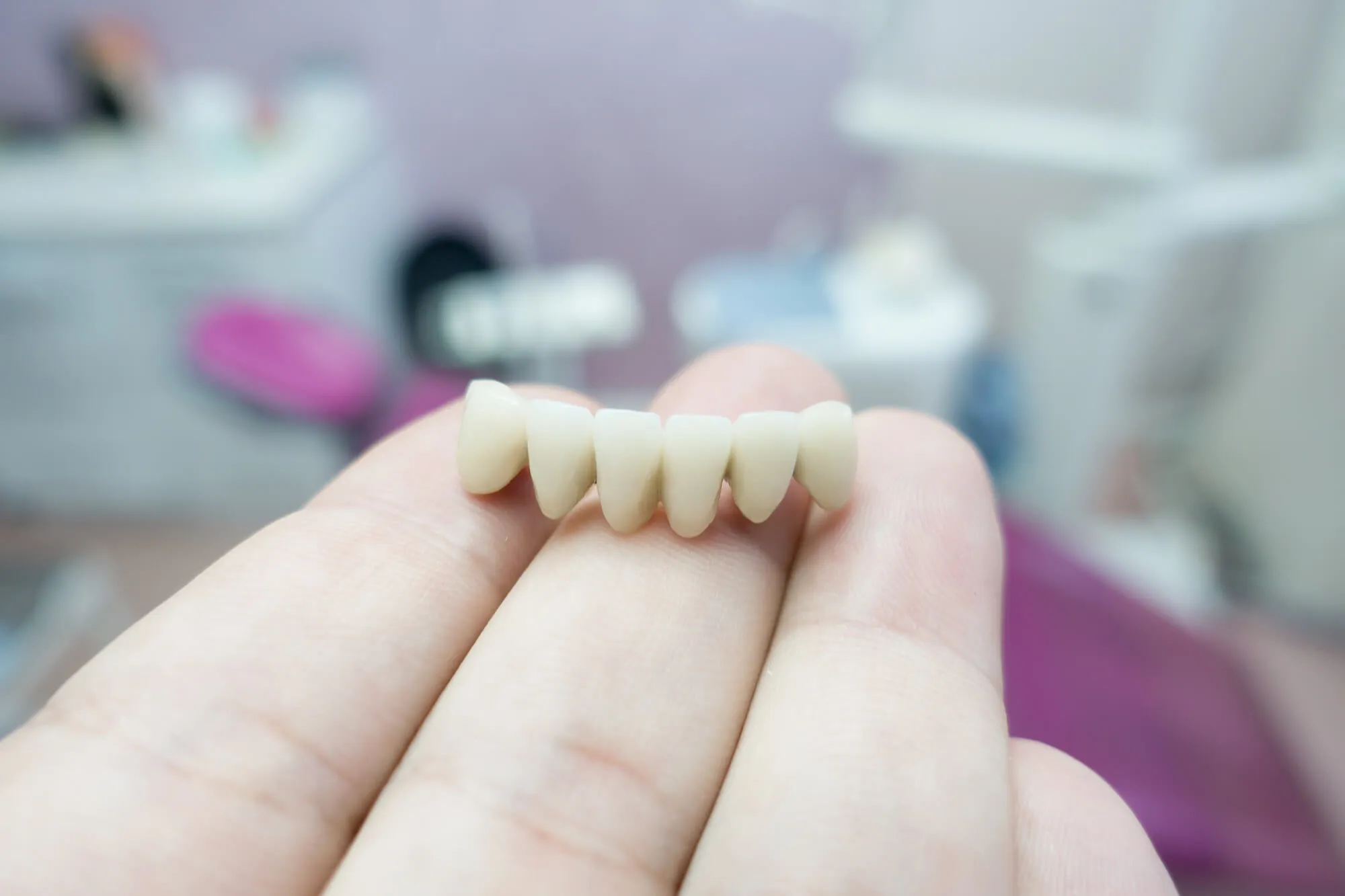
Dental bridges are restorative treatments used to replace one or more missing teeth. They “bridge” the gap created by tooth loss by attaching an artificial tooth to neighboring teeth or supporting structures.
The goal is not only to restore appearance but also to support everyday functions such as chewing, speaking, and maintaining proper tooth alignment. Without replacement, the surrounding teeth may gradually drift into the open space, affecting the bite over time.
What Is a Dental Bridge?
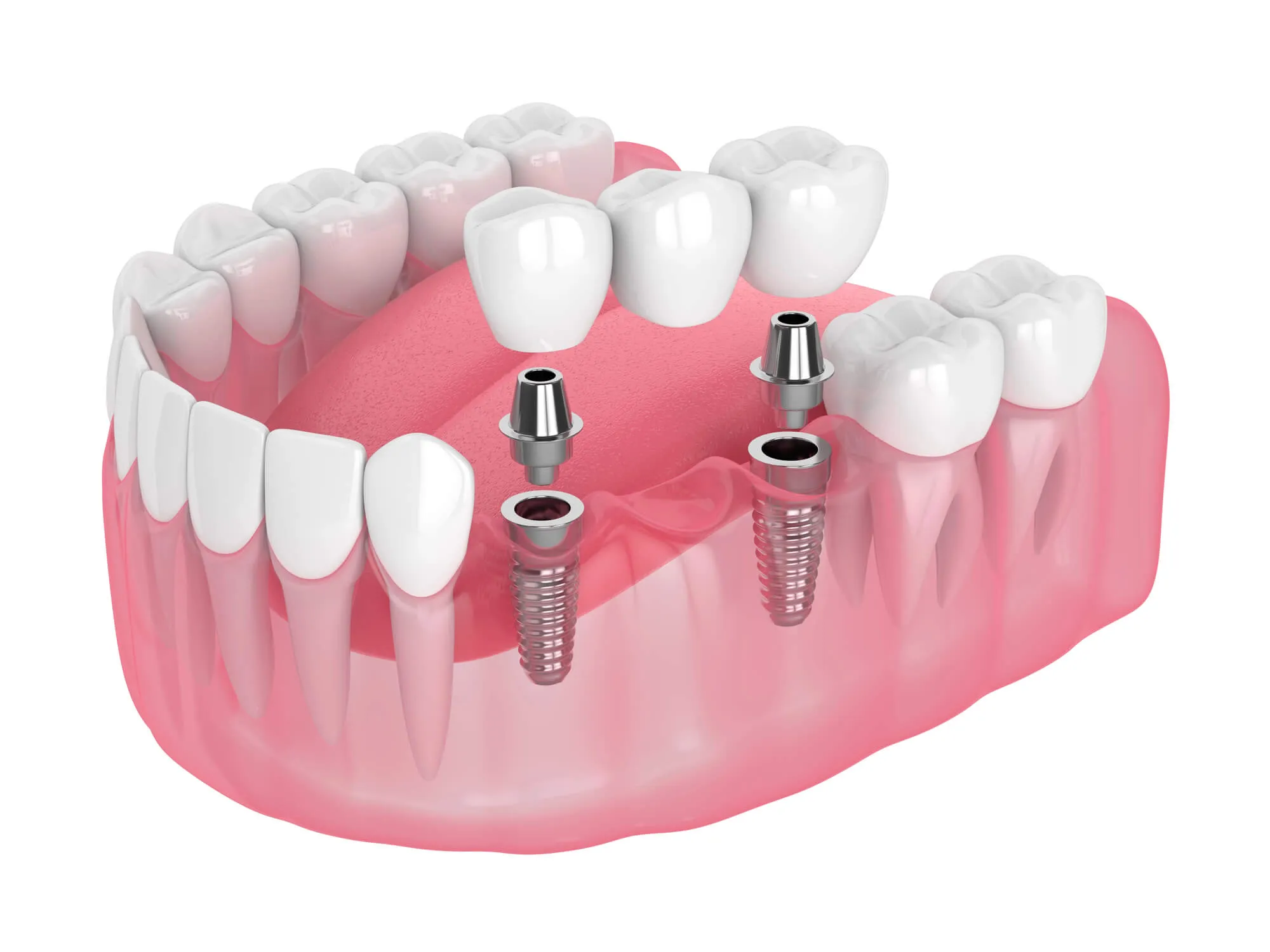
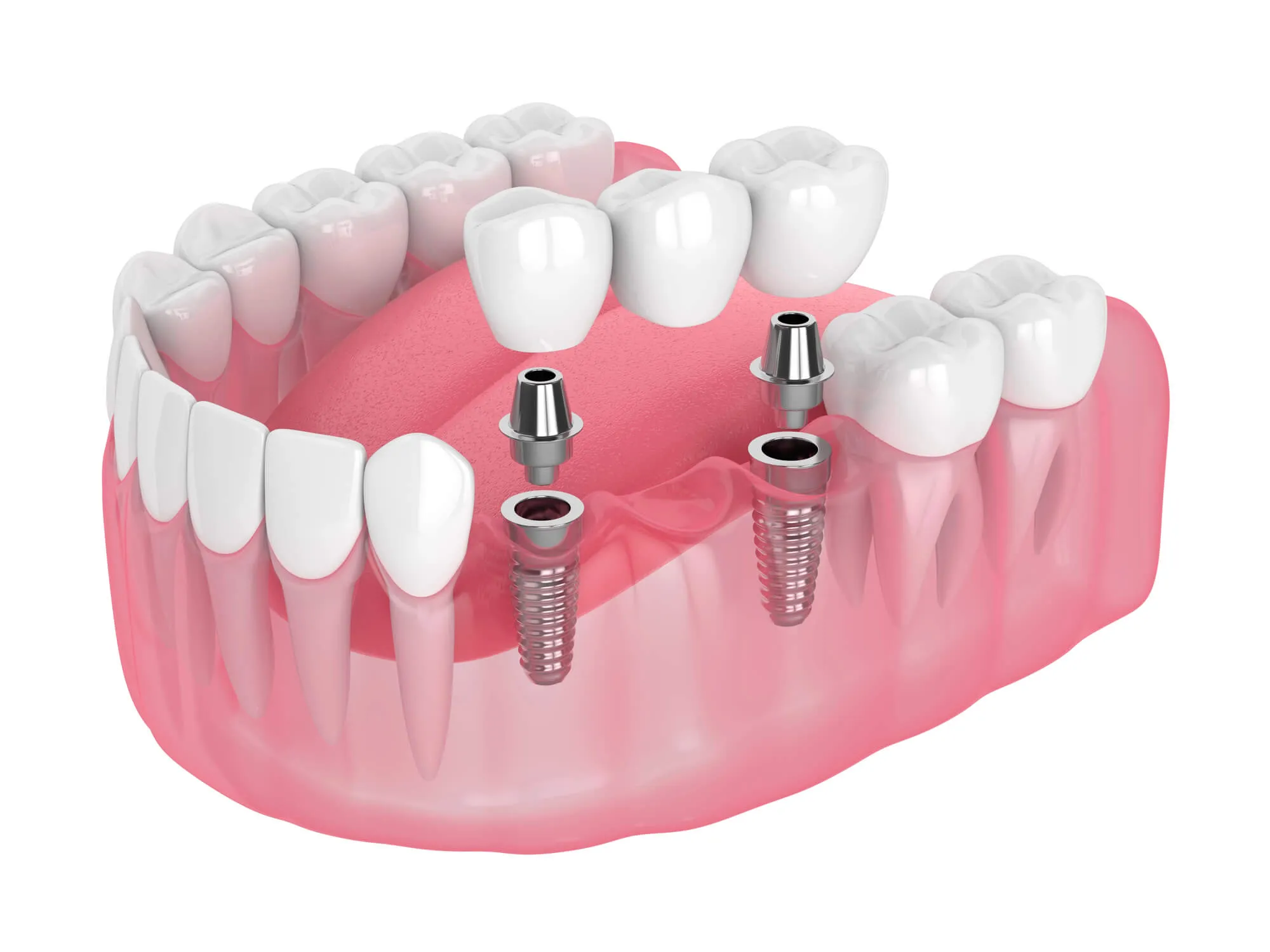
A dental bridge consists of one or more replacement teeth, called pontics, that are supported by adjacent teeth or dental implants. The restoration is custom-made to fit comfortably within the patient’s bite and match the appearance of surrounding teeth.
Modern bridges are designed to look natural while helping patients regain confidence in everyday activities. Materials may include porcelain, ceramic, metal alloys, or combinations of these materials, depending on the location of the bridge and treatment goals.
Why Dentists Recommend Dental Bridges
Dentists may recommend a bridge when one or more teeth are missing and there is a need to restore stability within the mouth.
A bridge can help:
Restore chewing ability
Improve speech clarity
Maintain facial support
Prevent neighboring teeth from shifting
Improve overall smile appearance
Treatment recommendations are based on each patient’s oral health, existing dental work, and long-term goals.
Different Types of Dental Bridges
Not all dental bridges are the same. Dentists select the most appropriate type based on the location of the missing tooth and the condition of the surrounding teeth.
Common bridge options include:
Traditional Bridges
These are supported by crowns placed on the teeth located on either side of the gap.
Cantilever Bridges
These are supported by a crown on only one adjacent tooth and may be used in select situations.
Maryland Bridges
These use small metal or porcelain wings attached to neighboring teeth rather than full crowns.
Implant-Supported Bridges
These bridges are anchored by dental implants rather than natural teeth and may be recommended when several teeth are missing.
Each option offers different benefits depending on the patient’s needs.
What Happens During the Dental Bridge Process?
Dental bridge treatment typically occurs over multiple appointments.
The process often begins with an examination and digital imaging. Dentists evaluate the condition of surrounding teeth, gum health, and bite alignment before discussing treatment options.
If a traditional bridge is planned, the supporting teeth are prepared to receive crowns. Impressions or digital scans are then used to create a custom restoration.
A temporary bridge may be placed while the final restoration is being fabricated. Once completed, the bridge is adjusted and secured to ensure a comfortable fit.
Dentists review home care instructions and answer questions before treatment is finalized.
How Long Does a Dental Bridge Last?
Dental bridges are designed for long-term use. Their lifespan depends on oral hygiene habits, regular dental visits, bite forces, and the overall condition of supporting teeth.
With proper care, many bridges function successfully for many years. Routine exams allow dentists to monitor the restoration and identify changes before they affect comfort or stability.
Patients who maintain consistent oral hygiene often experience the best long-term outcomes.
Caring for a Dental Bridge
Good daily habits help support the longevity of a bridge and the health of surrounding teeth and gums.
Dentists generally recommend:
Brushing twice daily
Flossing carefully around the bridge
Using specialized floss threaders if recommended
Keeping regular dental checkups
Avoiding chewing very hard objects
A bridge relies on healthy supporting structures, making preventive care especially important.
Factors That Influence the Cost of a Dental Bridge
One of the most common questions patients ask involves cost. The answer varies because every case is different.
Several factors can influence treatment costs, including:
The number of teeth being replaced
The type of bridge selected
Materials used in the restoration
Whether supporting procedures are needed
Insurance coverage and benefits
During a consultation, dentists review treatment options and provide detailed information about expected costs so patients can make decisions with confidence.
How Dental Bridges Compare to Other Tooth Replacement Options
Dental bridges are one of several options for replacing missing teeth. Some patients may also consider dental implants or removable partial dentures.
A bridge may be appropriate for patients who:
Have healthy supporting teeth
Want a fixed restoration
Prefer a treatment option that does not involve implant placement
Need to replace one or more missing teeth in a specific area
Dentists explain the advantages and considerations of each option to help determine what fits a patient’s needs and goals.
Benefits Beyond Appearance
Many patients initially focus on how a bridge will affect their smile. Appearance is certainly important, but bridges also provide functional benefits that support long-term oral health.
Replacing missing teeth can help maintain bite balance, reduce excess stress on neighboring teeth, and support comfortable chewing. These benefits often contribute to greater confidence during everyday activities.
Why Early Replacement Matters
After a tooth is lost, changes within the mouth can occur gradually. Neighboring teeth may begin shifting, while opposing teeth may move out of position.
Addressing missing teeth sooner rather than later can help maintain alignment and make future restorative treatment more predictable. Dentists evaluate each situation individually and discuss timing based on oral health needs.
Interested in Learning Whether a Dental Bridge in Athens Is Right for You?
Missing teeth can affect comfort, function, and confidence, but several restorative options are available. A personalized evaluation can help determine whether a dental bridge is appropriate and how treatment can be tailored to your needs.
At Athens Dental Design, the focus is on building lasting relationships through honest recommendations, personalized care, and a welcoming environment where patients feel comfortable asking questions. If you would like to learn more about replacing missing teeth with a dental bridge in Athens, schedule a consultation and speak one-on-one with a team committed to helping families maintain healthy, functional smiles.


