


Losing a tooth can affect more than appearance. Everyday activities like eating and speaking may feel different, and even a small gap can change how the bite functions over time. It’s common for questions to follow: what are the available options, how long will treatment take, and will the result feel natural? These concerns often lead patients to inquire about dental implants in Athens, especially when they want a thoughtful, steady approach to restoring their smile. Knowing how implant restorations work can help bring clarity and make each step feel more manageable.
How Dental Implant Restorations Work
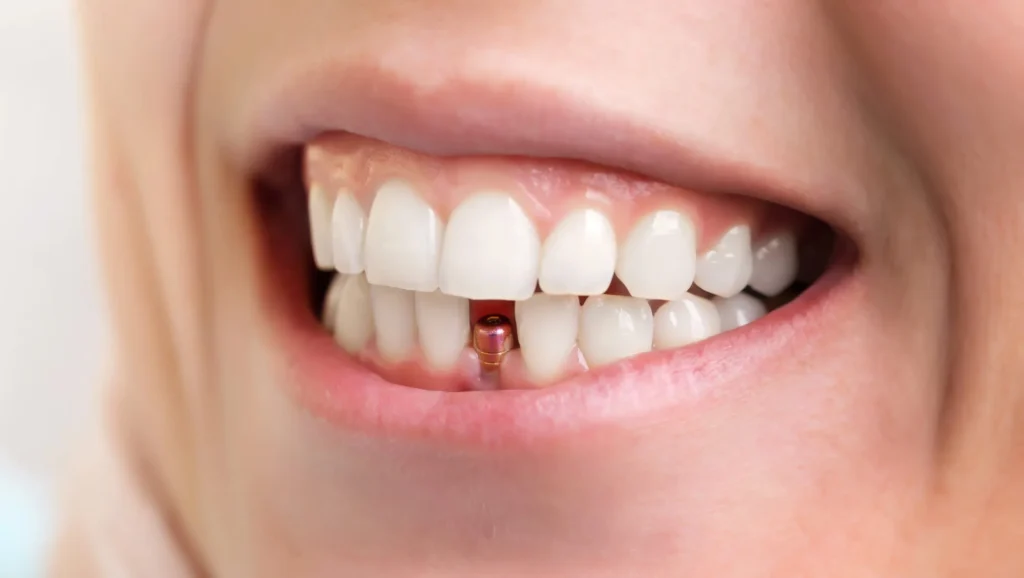
Dental implant restorations replace missing teeth by rebuilding both the root and the visible portion of the tooth. This approach supports stability and helps maintain the natural structure of the jaw.
What Is a Dental Implant?
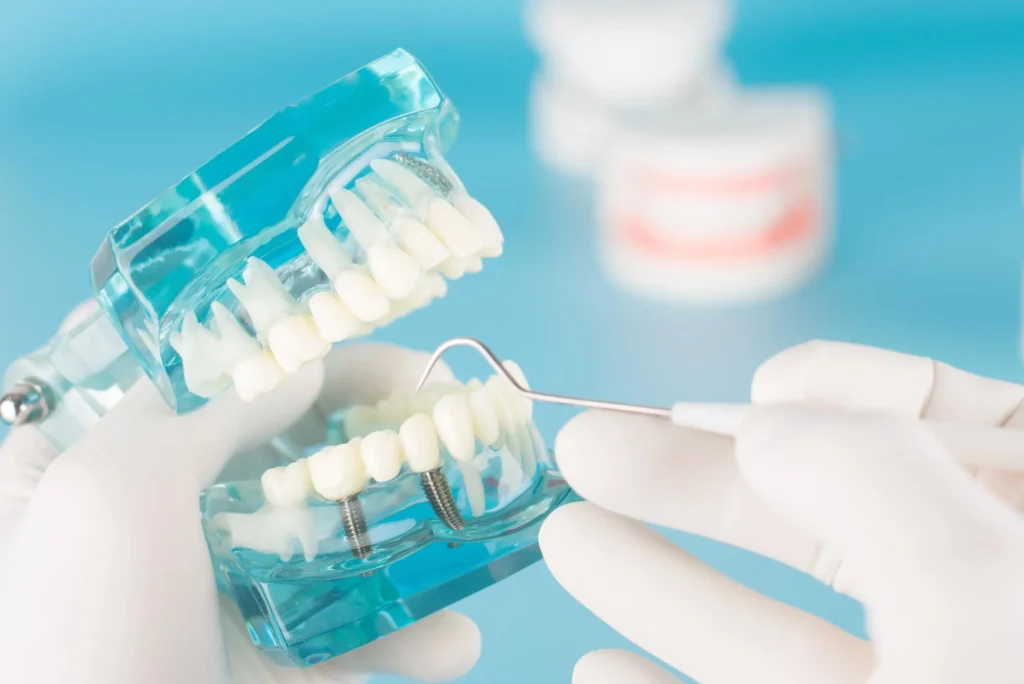
A dental implant is a small post, usually made of titanium, that is placed into the jawbone where a tooth is missing. Over time, the bone integrates with the implant, creating a stable foundation. This process allows the implant to function in a way that is similar to a natural tooth root.
Once healing is complete, the implant supports a restoration such as a crown, bridge, or denture.
What Is the Restoration Part?
The restoration is the visible portion that sits above the gumline. It is designed to match the surrounding teeth in shape, size, and color. Depending on the number of missing teeth, the restoration may be:
- A single crown for one missing tooth
- A bridge supported by implants for multiple teeth
- A denture anchored to implants for full or partial tooth loss
Dentists carefully design restorations so they feel balanced in the bite and look natural.
The Role of the Abutment
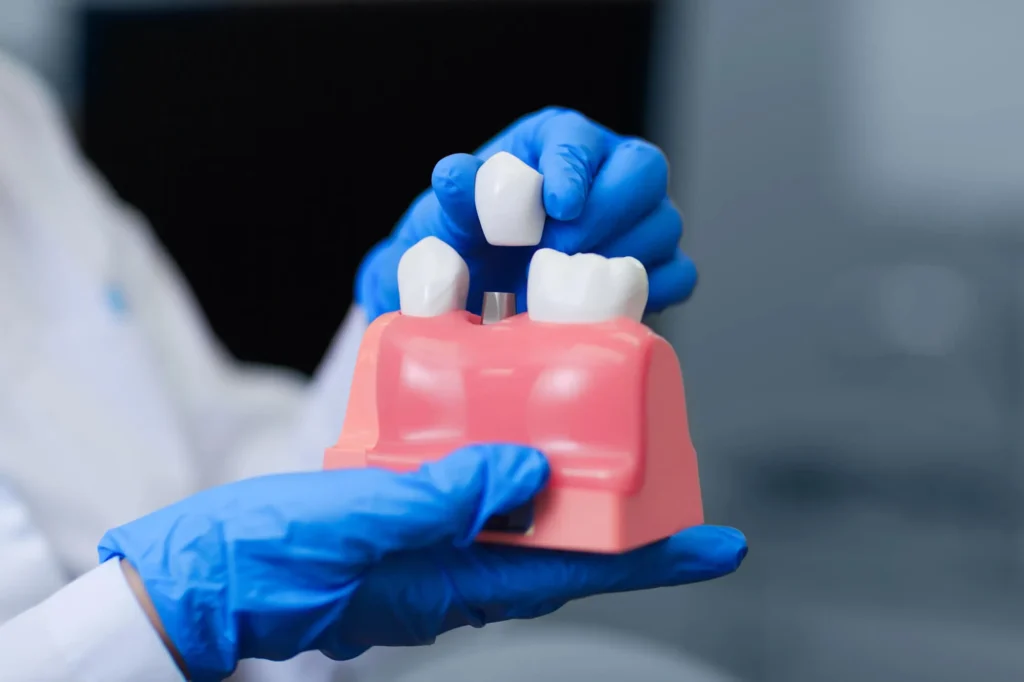
Between the implant and the restoration is a connector called an abutment. This small component attaches to the implant and supports the final restoration. It helps ensure the crown or bridge sits securely and aligns properly with surrounding teeth.
This layered structure—implant, abutment, and restoration—allows each part to serve a specific purpose.
The Stages of Implant Restoration
Dental implant restorations are completed in phases, allowing time for healing and adjustment between each step. This approach supports comfort, stability, and long-term function throughout the process.
1. Evaluation and Planning
Dentists begin with a detailed evaluation that includes digital imaging, bite assessment, and a review of overall oral health. This step helps determine whether the jawbone can support an implant and whether any preparation is needed. Clear planning also allows patients to understand timelines, expectations, and how each stage fits together.
2. Implant Placement
The implant post is placed into the jawbone during a carefully planned procedure. Local anesthesia is used to keep the area comfortable, and dentists work with precision to position the implant to support balance in the bite.
3. Healing Period
During healing, the bone gradually integrates with the implant in a process called osseointegration. This phase allows the implant to become stable and secure, creating a foundation that supports everyday function.
4. Abutment Placement
Once healing is complete, a small connector called an abutment is attached to the implant. This piece helps hold the final restoration in place and ensures proper alignment.
5. Final Restoration
A custom crown, bridge, or denture is then placed to complete the restoration. The result is designed to feel comfortable, function naturally, and support long-term oral health.
Why Dental Implants Feel Different From Other Options
Implants are anchored directly in the jawbone, which gives them a stable feel during chewing and speaking. Unlike removable options, they do not rely on surrounding teeth for support.
This structure allows patients to eat comfortably and maintain normal speech patterns. Many patients also appreciate that implants stay in place without the need for adhesives.
Who May Be a Candidate for Dental Implants?
Dentists consider several factors when evaluating whether implants are appropriate:
- Overall oral health
- Gum condition
- Medical history
In some cases, additional procedures may be discussed to prepare the area. Dentists review options carefully so patients feel informed without pressure.
Benefits of Dental Implant Restorations
Dental implant restorations offer several advantages:
- Support for natural chewing function
- Stability during speech
- Preservation of jawbone structure
- No need to alter adjacent teeth
- A natural-looking appearance
These benefits make implants a commonly discussed option for replacing missing teeth.
Dental implants are cared for in much the same way as natural teeth, with an emphasis on consistency and gentle daily habits. Maintaining good oral hygiene helps support the surrounding gums and keeps the implant stable over time. Dentists often recommend a simple routine that fits easily into everyday life:
- Brush twice daily with a soft-bristled toothbrush and non-abrasive toothpaste
- Floss carefully around the implant to remove plaque near the gumline
- Avoid habits that place excess pressure on teeth, such as grinding or chewing hard objects
Routine visits allow dentists to assess the implant, surrounding tissues, and bite alignment. With steady care and guidance, implants can remain comfortable and function well for many years.
How Long Do Dental Implants Last?
Dental implants are designed for long-term use, and many continue to function well for decades with proper care. Their lifespan depends on oral hygiene, regular dental visits, and overall health. Research shows that implants have a survival rate of around 95–98% at 10 years and remain stable for many patients even beyond 20 years .
Dentists monitor implants during routine exams to ensure they stay secure and comfortable. With consistent care, many patients maintain their implants for many years, and in some cases, even longer.
How Dentists Help Patients Feel Comfortable
Implant treatment can feel unfamiliar at first. Dentists focus on clear communication, careful planning, and a supportive environment. Patients are encouraged to ask questions and take time to understand each step.
This approach helps reduce uncertainty and supports confidence throughout treatment.
Considering Dental Implants in Athens for Your Smile
Replacing a missing tooth is not just about appearance. It is about restoring comfort, function, and confidence in daily life. Dental implant restorations offer a way to rebuild what has been lost while supporting long-term oral health.
At Athens Dental Design, care is centered on thoughtful planning, honest recommendations, and a welcoming environment where patients feel at ease. If you are considering dental implants, schedule a visit to talk through your options and learn how implant restorations may support your smile and everyday comfort.


